EU Article 50 transparency obligations are in force and the music industry has a voluntary AI labelling scheme; indie teams need to update metadata, distributor workflows and press notes.
AI Act transparency is live — what indie musicians should change now
The EU’s Article 50 transparency rules applied on 2 Aug 2026; IFPI also pushed industry labelling. Here’s what independent artists and small teams must do next.
· 11 September 2026
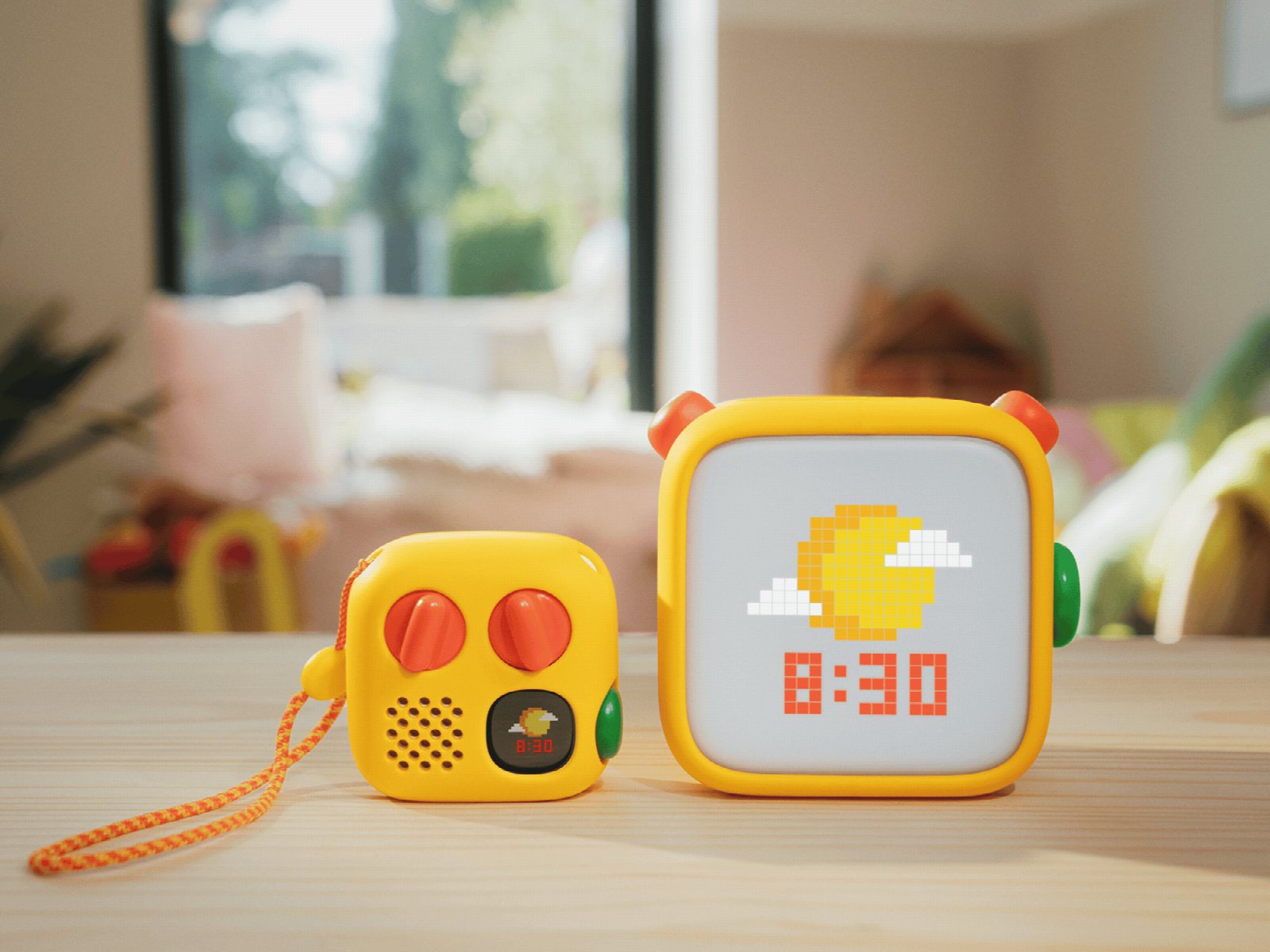
Yoto’s 10 September 2026 hardware refresh changes how children access audio; indie teams should adapt playlists and metadata accordingly.
Yoto 4th‑Gen adds a 'Green Button' — rethink kids’ audio distribution
Yoto’s fourth‑generation players add a configurable Green Button and bigger onboard storage; make short, routine-ready playlists and check Yoto’s content specs before pitching.
· 11 September 2026
Two music-fintech moves — a leadership hire at beatBread and Notes·fm rolling payouts and distribution with Stripe — change where indie artists get funding and payments.
beatBread names Andreea Gleeson; Notes·fm adds Stripe-powered financial accounts
beatBread appointed Andreea Gleeson as CEO; Notes·fm launched Stripe-backed Financial Accounts and a Releases distributor that pays out to artist accounts.
· 11 September 2026
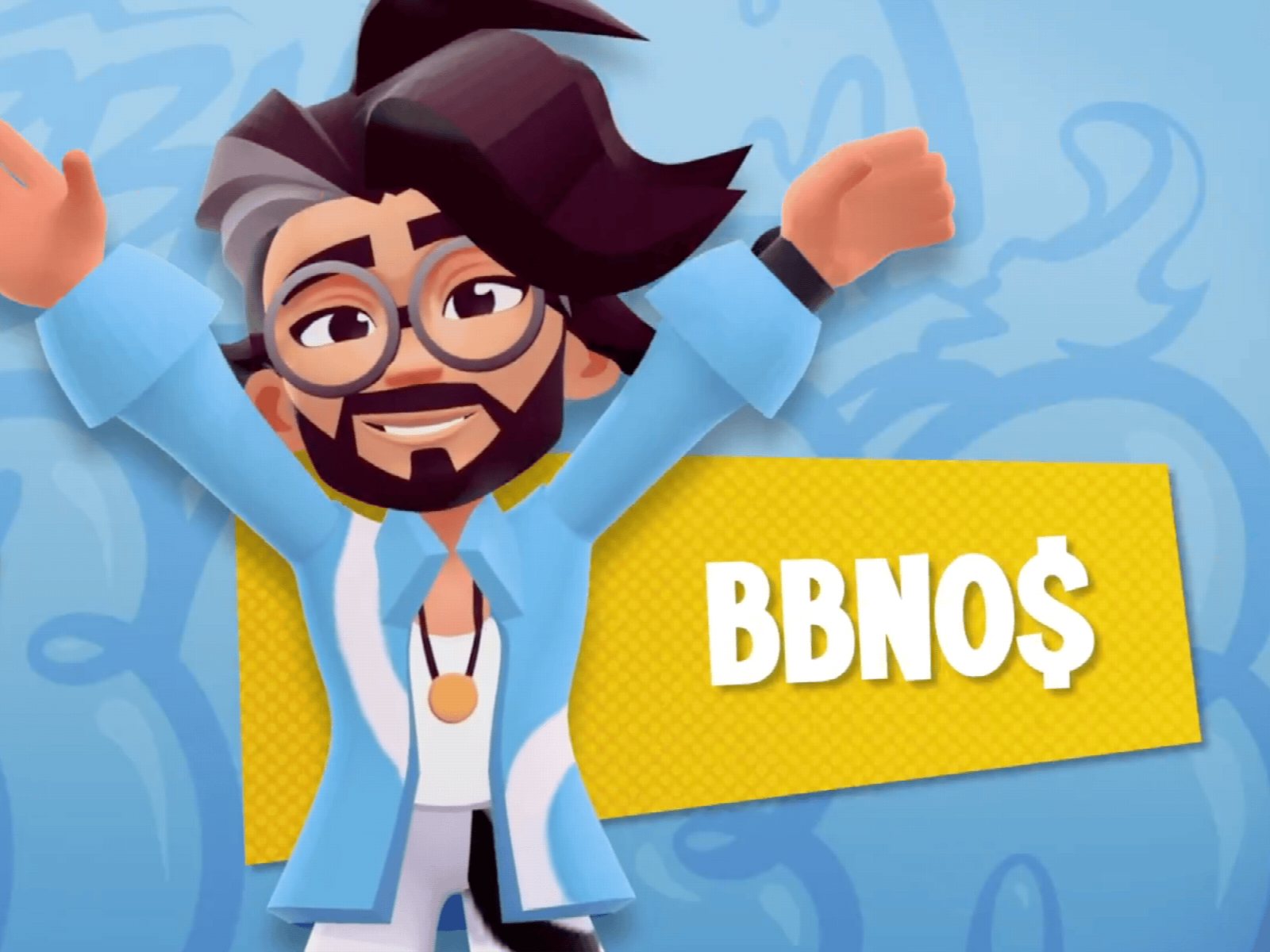
A limited-time bbno$ playable character appears in Subway Surfers from Sept 14–Oct 4; treat short game activations as release opportunities.
bbno$ joins Subway Surfers — what indie artists should do now
bbno$ is a playable character in Subway Surfers from Sept 14–Oct 4; with the game's global scale, indie artists should plan tight, measurable in-game activations.
· 11 September 2026
Public view counts now tick on the first frame — get engaged‑view proof before you buy creator attention.
YouTube’s first‑frame view counts: what music teams must change now
YouTube counts a view from the first frame (Aug 24, 2026). Agentio’s sample shows a 60% engaged‑view rate; brands should insist on engaged‑view reporting.
· 11 September 2026
Billboard and Luminate will start counting qualifying Smart Media Album products in US charts and data feeds; here’s the practical change for indie teams.
Billboard adds Smart Media Albums to US charts — what to do now
Billboard will include Smart Media Albums in US chart tabulation beginning the Oct. 2, 2026 tracking week. Read what to change in your release plan and the exact counting rules.
· 11 September 2026
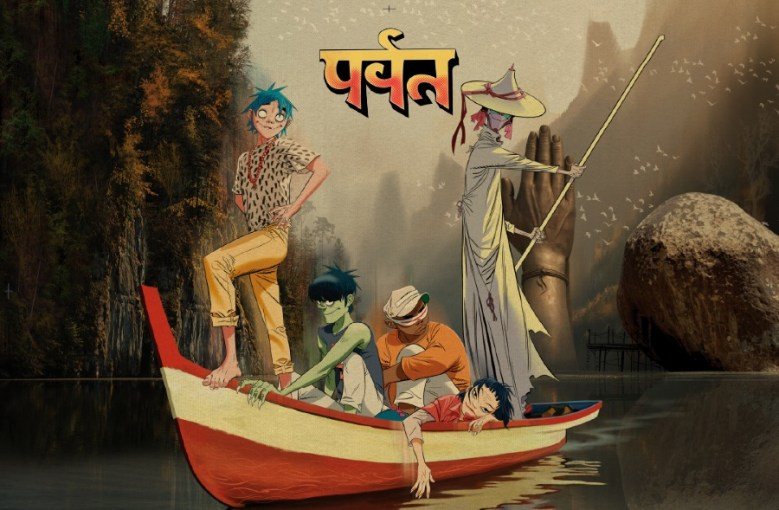
District (Zomato) is producing Gorillaz’s India run and will sell tickets exclusively through its app — here’s what small teams should change.
Gorillaz add Guwahati: District to produce and sell India dates in‑app
District added a Guwahati date to Gorillaz’s India tour and will ticket the dates via its app. Independent artists and small teams should plan app‑first sales, local partnerships and presale timing.
· 10 September 2026
Soda’s rapid MAU growth has pushed Tencent to roll out lightweight, ad‑supported products; indie teams must rework short‑video funnels and ad strategies.
ByteDance’s free Soda (Qishui) forces Tencent into ‘Free Music’ mode
ByteDance’s Soda (Qishui) has accelerated free, ad‑driven listening in China; Tencent responded with a Huawei 'Free Music' app. Independents should prioritise short‑video funnels and ad-tier placements.
· 10 September 2026
Meta launched Muse on Sept. 8, 2026, and Ticketmaster is available as a connector that surfaces events and shows seating and pricing before redirecting to Ticketmaster.
Ticketmaster is a Muse connector — what indie artists should do now
Ticketmaster joined Meta’s Muse as a connector on Sept. 8, 2026; Muse can surface events and seating but redirects purchases to Ticketmaster. Here’s what indie artists and small teams should change this month.
· 10 September 2026
Luminate figures reported by Music Business Worldwide show massive supply and very concentrated listening — here’s how to focus a release this month.
Streaming catalog scale: 106,000 new ISRCs a day in 2025
Luminate/Music Business Worldwide data: huge catalogue growth and concentrated streams. Actionable checklist to make a release visible in a crowded market.
· 10 September 2026
Releases
Apple gives you ten days. Deezer will still take a pitch after release.
Three services, three different deadlines, and one of them is closed to artists entirely unless you go through a label or distributor account.
· 9 September 2026
6 services · 10 min
Which distributor, and what they quietly take
The headline prices are nearly identical. The differences are in social and user-generated content fees, Content ID cuts, and what happens to your catalogue when you stop paying.
Comparison table · 7 September 2026
€23.99 / year
DistroKid
Unlimited releases for a flat annual fee, and the catalogue stays up only while you keep paying.
Distributor
$24.99 / year
TuneCore
Cheap distribution with a 20 per cent fee on social earnings that most comparisons leave out.
Distributor
$9.99 per single
CD Baby
Pay once per release instead of every year, and give up 9 per cent of digital revenue.
Distributor
$23.99 / year
Amuse
Unlimited releases, with a Content ID fee that disappears on the top tier.
Distributor
$29.99 / year
Symphonic
The one on this list that publishes a music video distribution price.
Distributor